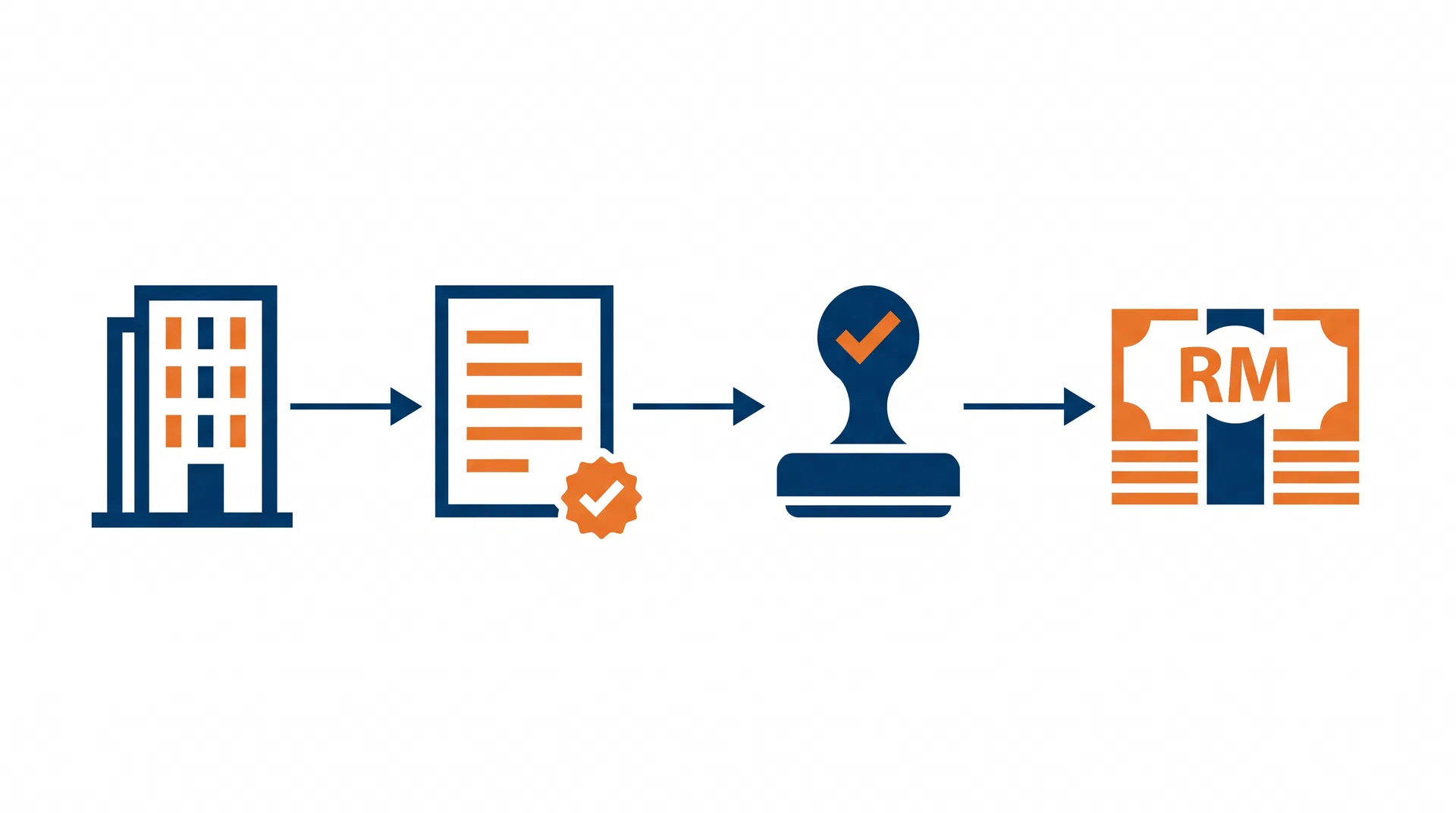
Quick Answer: To make an HRD Corp training claim, your company must be registered and have paid its levy. After an employee completes an approved course, you must submit the claim via the eTRiS portal within six months, including all required documents like invoices and attendance records. Approval and payment typically take up to seven working days.
That's the short version. But successfully navigating the claims process involves more than just filling out forms. The details are what ensure you maximize your training investment and avoid costly rejections. Here’s the complete guide for Malaysian HR managers.
Introduction
Managing corporate training is a significant responsibility, and securing your HRD Corp claims is a critical part of the process. Yet, many HR managers find themselves bogged down by the complexities of the eTRiS portal, confused by the list of allowable costs, and anxious about potential claim rejections. This administrative burden can distract from the ultimate goal: upskilling your workforce and driving business growth.
This guide cuts through the confusion. We'll provide a clear, step-by-step walkthrough of the entire HRD Corp training claims process for 2025. From understanding what you can claim to submitting everything correctly the first time, this is the practical resource you need to manage your training grants effectively and confidently. With the right approach, you can transform the claims process from a headache into a seamless part of your company's development strategy, ensuring you get the full financial benefit from the training levy you contribute.
Understanding What You Can Claim
Before you can submit a claim, it’s essential to know what expenses are covered. The HRD Corp Allowable Cost Matrix provides the definitive list, but it can be dense. In essence, claims cover the direct costs associated with a training program. This includes not only the course fees but also a range of other expenses designed to support the training event.
Commonly claimable items include:
- Course Fees: The primary cost of the training program itself.
- Trainer Fees: If you are bringing in an external trainer for an in-house session.
- Allowances: This can include meal allowances for trainees (up to RM100/day) and daily allowances for trainers or trainees who have to travel.
- Travel and Accommodation: Costs for flights, e-hailing, and hotels are claimable, provided they are supported by official receipts and invoices.
- Training Materials: Consumable materials like stationery have a set claimable amount without needing a receipt.
It's crucial to differentiate between schemes like the Skim Bantuan Latihan (SBL) and HRD Corp Claimable Courses (formerly SBL-Khas). While the claimable items are similar, the process flow can differ slightly. For instance, under some schemes, the training provider submits their portion of the claim before the employer can submit theirs. Always refer to the specific guidelines for the training grant you have been approved for.
HRD Corp Claims Timeline at a Glance
| Step | Action | Deadline | Who |
|---|---|---|---|
| 1 | Submit Grant Application | 21 days before training | Employer (HR) |
| 2 | Receive Grant Approval | Within 7 working days | HRD Corp |
| 3 | Conduct Training | As per approved dates | Training Provider |
| 4 | Submit Claim via eTRiS | Within 6 months after training | Employer (HR) |
| 5 | Attach Supporting Documents | Same as claim submission | Employer (HR) |
| 6 | HRD Corp Review | 14-30 working days | HRD Corp |
| 7 | Reimbursement Processed | After approval | HRD Corp |
Common Claimable Costs Breakdown
| Cost Category | Claimable Amount | Receipt Required |
|---|---|---|
| Course / Trainer Fees | Actual cost (within approved limit) | Yes |
| Trainee Meal Allowance | Up to RM100/day | No (fixed rate) |
| Trainee Daily Allowance | Up to RM100/day (outstation) | No (fixed rate) |
| Accommodation | Actual cost (reasonable) | Yes |
| Travel (Flight/Bus) | Actual cost (economy class) | Yes |
| Travel (E-hailing/Taxi) | Actual cost | Yes |
| Training Materials | Up to RM50/trainee | No (fixed rate) |
How to Submit Your Claim: A Step-by-Step Guide
Once the training is complete, the clock starts ticking. You have six months to complete your claim submission. The entire process is handled through the HRD Corp eTRiS portal, an online system that acts as the central hub for all grant and claim activities.
Here is a simplified walkthrough of the submission process:
- Log in to the eTRiS Portal: Access the system using your company's login credentials.
- Navigate to the Claim Section: Once logged in, find the 'Application' tab, then select 'Claim', and proceed to 'Submit Claims with Grant'.
- Select the Correct Grant: A list of your company's approved grants will appear. Locate the specific training program you are claiming for and click 'Claim' in the 'Action' column.
- Fill in the Online Form: You will be prompted to fill in details about the training, including the actual dates and the total number of participants. Accuracy is key here.
- Upload Supporting Documents: This is the most critical step. You must upload clear, legible copies of all required documents. This typically includes the official invoice and receipt from the training provider, the system-generated attendance report, and any other receipts for travel or accommodation. A 2022 study by LinkedIn found that 94% of employees would stay at a company longer if it invested in their learning, making these training investments—and the claims that fund them—vital for retention.
- Review and Submit: Double-check all the information you have entered and the documents you have uploaded. Once you are confident everything is correct, click 'Save & Submit'.
After submission, the claim is reviewed by an HRD Corp officer. You will be notified via email once it is approved, and payment is typically processed within seven working days.
Common Mistakes to Avoid
Even with a clear process, pitfalls exist. Avoiding these common errors can save you significant time and prevent the frustration of a rejected claim.
- Incomplete Documentation: The single most common reason for rejection is missing or incorrect documents. Always use a checklist against the requirements in the Allowable Cost Matrix.
- Missing the Deadline: The six-month submission window is strict. Set a calendar reminder as soon as a training session is completed.
- Incorrect Trainee Details: Ensure the names and IC numbers of the trainees submitted in the claim match the attendance records exactly.
- Claiming for Non-Allowable Costs: Familiarize yourself with what isn't covered. For example, certain administrative fees or equipment rentals might be excluded.
As a real-world example, consider a company that sends its marketing team for a digital marketing course through a platform like TrainerLink. The HR manager must ensure they receive not just the main invoice but also the official receipt after payment. They must also have the full attendance list from the provider. Forgetting to submit the official receipt, even if the invoice is present, would be grounds for the claim to be queried or rejected, delaying reimbursement.
Pro-Tips for a Smoother Claims Process
Beyond just avoiding mistakes, you can take proactive steps to make your claims process even more efficient. Think of this as moving from defense to offense. A well-organized system not only prevents rejections but also saves you valuable time.
Create a Centralized Document Hub
Instead of scrambling for documents after every training, maintain a centralized digital folder for each program. Immediately after a course is confirmed, create a subfolder and save the grant approval letter, the training provider's quotation, and the course outline. As soon as the training is done, add the invoice, official receipt, and attendance list. This practice turns the final claim submission into a simple 15-minute task of uploading files you already have.
Build a Relationship with Your Training Providers
A good training provider sees you as a partner, not just a customer. Communicate your documentation needs clearly from the start. A reliable partner, like those found on the TrainerLink marketplace, will understand the HRD Corp requirements and provide compliant, timely documents as a standard part of their service. This can eliminate the back-and-forth chasing for a correct invoice or a complete attendance sheet.
Conduct a Pre-Submission Audit
Before you hit that final 'Submit' button on eTRiS, do a quick internal audit. Create a simple checklist based on the requirements for that specific claim. Have a colleague (or even just yourself, after a short break) review the documents against the checklist. Does the invoice number match the receipt? Are all trainee names spelled correctly? Is the total claim amount aligned with the approved grant? This final check can catch small but costly errors.
Adopting these habits transforms the claims process from a reactive, often stressful task into a predictable and efficient workflow, allowing you to focus more on the strategic impact of your training initiatives.
Frequently Asked Questions
What is HRD Corp claimable?
HRD Corp claimable means that the cost of an approved training program can be reimbursed to a registered employer from their levy contributions. This covers course fees and other related expenses like travel, accommodation, and allowances as outlined in the official cost matrix.
How do I claim from HRD Corp?
To claim from HRD Corp, you must first get a training grant approved. After the training is completed, you log in to the eTRiS portal, fill out the claim form, upload all necessary supporting documents like invoices and attendance records, and submit it within six months of the training date.
How long does HRD Corp claim take?
Once a claim is submitted correctly with all supporting documents, the official processing time is up to seven working days. This includes the review by an HRD Corp officer and the subsequent payment disbursement to the employer's registered bank account.
Conclusion
The HRD Corp claims process, while detailed, is a manageable system designed to empower companies to invest in their people. By understanding the rules, preparing your documents diligently, and using the eTRiS portal correctly, you can ensure a smooth and successful reimbursement cycle. This transforms your mandatory levy contributions into a powerful tool for talent development and business excellence.
Don't let the administrative details hold you back from building a more skilled and motivated workforce. The key is to be systematic and proactive. By mastering the claims process, you unlock the full potential of the HRD Corp scheme for your organization.
Ready to find your next HRD Corp claimable course? Explore thousands of options from certified training providers on TrainerLink and take the next step in upskilling your team.
AI Summary: This article provides a comprehensive guide for Malaysian HR managers on navigating the HRD Corp training claims process in 2025. The key to a successful claim is understanding allowable costs, meticulously preparing supporting documents, and submitting everything correctly via the eTRiS portal within the six-month deadline. Mastering this process allows companies to effectively leverage their training levy for crucial employee upskilling and retention.